



The Night Norway Rewrote History

Inside Brazil’s Stunning World Cup Exit
eyesonbrasil
East Rutherford, New Jersey — For 78 minutes, it looked like another routine step toward the quarterfinals for the five-time champions. Then Erling Haaland happened. Twice.
Norway’s 2-1 win over Brazil in the Round of 16 didn’t just end the Seleção’s World Cup — it sent Norway into the quarterfinals for the first time in the country’s history and handed Brazil their earliest exit from the tournament since 1990. It is a result that will be dissected for years, and at the center of the debate sits one question: did Carlo Ancelotti wait too long to change the game?
Norway’s Patient Trap
Ståle Solbakken’s side didn’t try to outplay Brazil for 90 minutes — they tried to survive it. Norway did control the opening exchanges with early possession, but for long stretches this was a defensive, low-event contest that one live report described as lacking in fluency and clear chances from either side. That was by design. Norway sat deep, protected central areas, and dared Brazil to break them down with patience rather than individual brilliance.
The gamble paid off because of two players: a goalkeeper having the game of his life, and a striker who needed only two touches to become a national icon.
The Turning Point That Almost Wasn’t
The match’s first genuine moment of high drama came from the penalty spot — and it went Norway’s way. Norwegian goalkeeper Ørjan Nyland produced a string of key saves, none bigger than denying a tame Bruno Guimarães penalty early in the first half. Had that gone in, the entire complexion of the match — and perhaps Ancelotti’s substitution timeline — changes completely.
Instead, Norway held firm, and Brazil’s frustration mounted. Brazil later came agonisingly close to an equalizer when a deflected effort crashed against the post, with Nyland again equal to it, before a dangerous Casemiro ball across the box evaded everyone in yellow. Fine margins were already piling up against the Seleção well before the game turned.
Haaland’s Eight Second-Half Minutes
Norway broke the deadlock with 11 minutes left. Haaland headed home a cross in the 79th minute, with Brazil’s Gabriel appearing to have done far better to stop him. It was a marking failure at a critical moment — the kind of lapse knockout football rarely forgives.

Eleven minutes later, Haaland delivered the killing blow. He struck again with a clinical second-half finish, reaching seven goals at his first World Cup and putting the result beyond doubt.The brace tied him with Lionel Messi and Kylian Mbappé at the top of the tournament’s scoring charts.
Brazil did find a way back into the score sheet, but far too late to matter. Neymar converted from the penalty spot in stoppage time, on what may have been his final appearance in a Brazil shirt — a bittersweet moment that only underlined how much time had already run out.
The Substitution Question
This is where the post-match inquest has focused, and where critics of Ancelotti have the most ammunition. Neither Neymar nor Endrick started the match. Brazil’s front line against Norway was built around Vinícius Júnior, Matheus Cunha, and Rayan, with Gabriel Martinelli holding down the No. 10 role vacated by the injured Lucas Paquetá — while Neymar and Raphinha were held back as planned second-half impact options.

That plan wasn’t improvised on the day. Going into the match, Ancelotti had been explicit that he preferred Neymar as a weapon to be deployed rather than a fixture in the XI, and had framed the Martinelli selection as a deliberate profile choice rather than a fallback. Endrick, meanwhile, had shown flashes as a substitute earlier in the tournament but had yet to start a match, and the coaching staff apparently judged the Norway game — a Round of 16 opponent, not the final — as one to manage rather than gamble on.
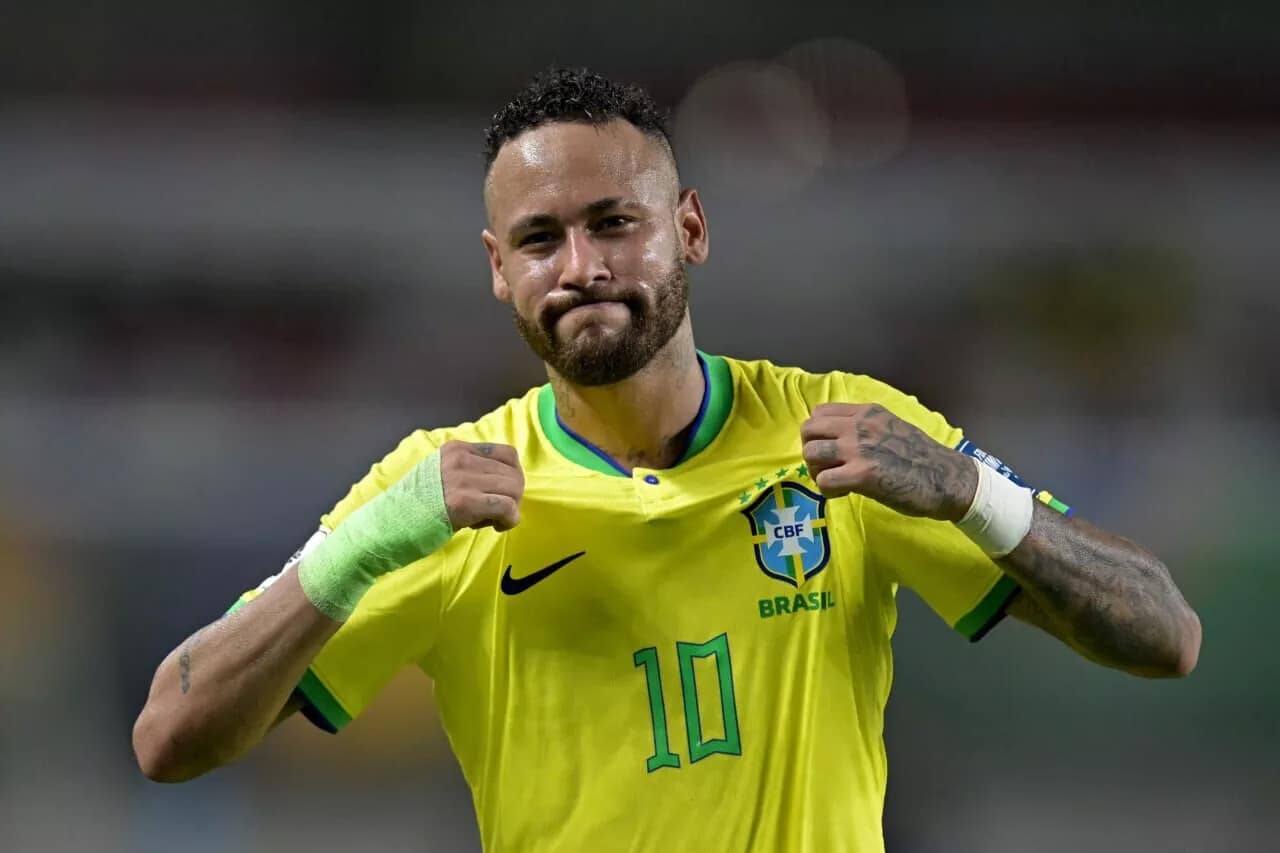
With the benefit of hindsight, that calculation looks costly. Brazil controlled long periods of the second half without truly threatening Nyland’s goal, and by the time Neymar entered to chase the game, Norway had already banked both goals and could defend a slender lead with numbers behind the ball. Whether an earlier introduction of Neymar’s guile or Endrick’s fresh legs would have unsettled Norway’s back line before Haaland struck is unanswerable — but it is exactly the kind of “what if” that fuels tactical criticism after any shock exit.
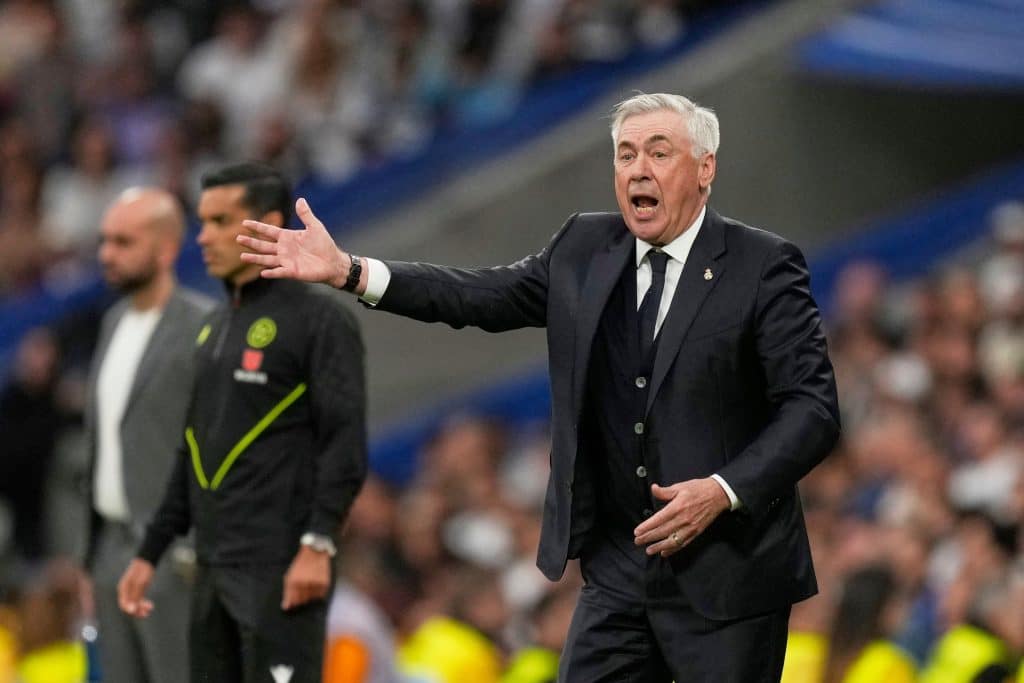
The counter-argument is just as real. Norway’s defense had conceded little all tournament, Nyland was in inspired form regardless of who Brazil threw at him, and an early reshuffle carries its own risk of unbalancing a team that had, until the 79th minute, controlled the game territorially. Ancelotti’s substitution logic — hold your most unpredictable weapons in reserve against a side set up to absorb pressure — is a defensible strategy that simply ran into two moments of individual brilliance from one of the tournament’s best players.
A Historic Result for Norway
Whatever the tactical merits, the scale of Norway’s achievement is not in dispute. This was Norway’s first World Cup appearance in 28 years, and their win over Brazil is the biggest result in the country’s football history. Before Sunday, Norway had never won a knockout match at a World Cup — and across four previous meetings with Brazil, dating back to a famous 1998 upset, they had never actually beaten them either. That 28-year wait, and that head-to-head hoodoo, ended in the same stadium tunnel where Ancelotti now has to explain his own decisions.
For Brazil, the post-mortem will run deep — through the XI, through the bench, and through every minute Neymar and Endrick spent watching from the sideline. For Norway, in a stadium full of yellow shirts, Erling Haaland turned eight minutes into history.
Match: Brazil 1–2 Norway, FIFA World Cup 2026 Round of 16, MetLife Stadium, East Rutherford, New Jersey — July 5, 2026.