


Six Minutes From Disaster

How Brazil Survived Japan’s Ambush to Keep the Hexa Dream Alive
eyesonbrasil
For 95 minutes in Houston, the Samurai Blue had Brazil’s number. Disciplined, fast, and utterly fearless, Japan pushed the five-time champions to the very edge of a World Cup elimination that would have sent shockwaves through Brazilian football. Then, in the sixth minute of stoppage time, with extra time looming and an entire nation holding its breath, Gabriel Martinelli rifled a low finish into the bottom corner — and Brazil’s Round of 32 nightmare turned, in an instant, into one of the great comeback stories of this tournament.
Final score: Brazil 2-1 Japan. Goals from Casemiro and Martinelli erased Kaishu Sano’s early opener and sent the Seleção through to face the Ivory Coast-Norway winner in the Round of 16. It wasn’t pretty. It wasn’t comfortable. But it was, in the end, exactly the kind of resilience a team chasing a sixth star needs to discover at some point in the tournament — and Brazil discovered it with the clock almost out of time.
How Japan Nearly Pulled Off the Upset
To understand how close Brazil came to disaster, you have to understand just how well Japan executed their plan. From the opening whistle, Hajime Moriyasu’s side set up in a compact, disciplined defensive block, conceding possession almost entirely — Brazil finished the match with 61% of the ball — while waiting patiently for the gaps that come when a star-studded attack starts pressing for a breakthrough. It worked beautifully for most of the night.
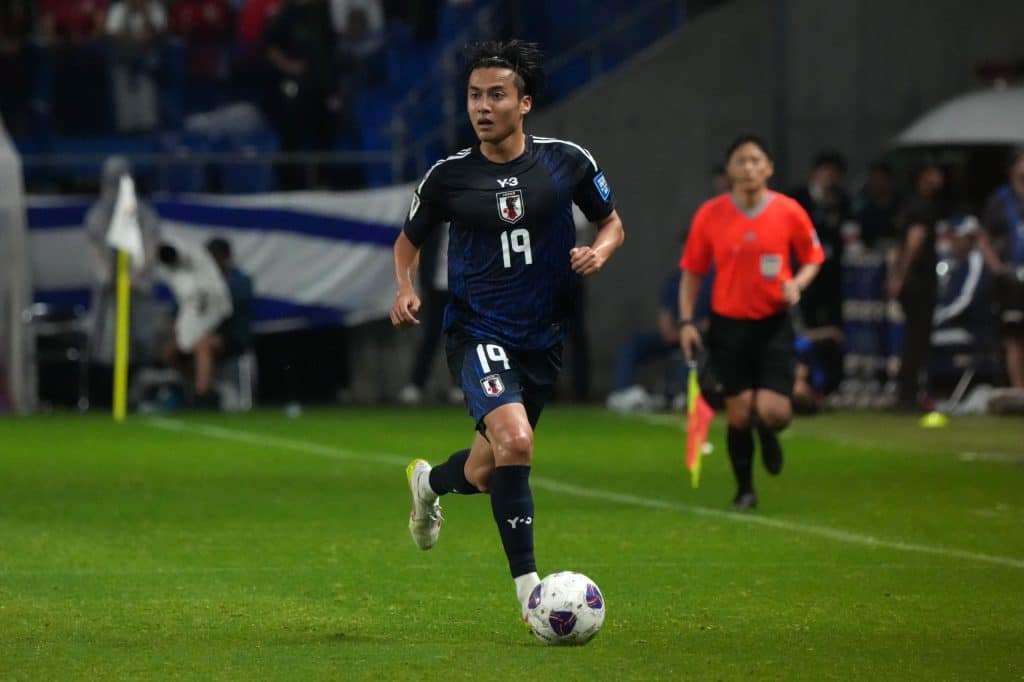
The goal itself was a gut-punch. In the 29th minute, Kaishu Sano intercepted a misplaced pass in midfield, surged into space that had opened up in the Brazilian defense, and finished coolly with his right foot from outside the box — his first-ever goal for Japan, scored on the biggest stage imaginable. It capped a swift, clinical counter-attack of exactly the kind Japan had been built to deliver: soak up pressure, then strike with precision the moment Brazil overcommitted.
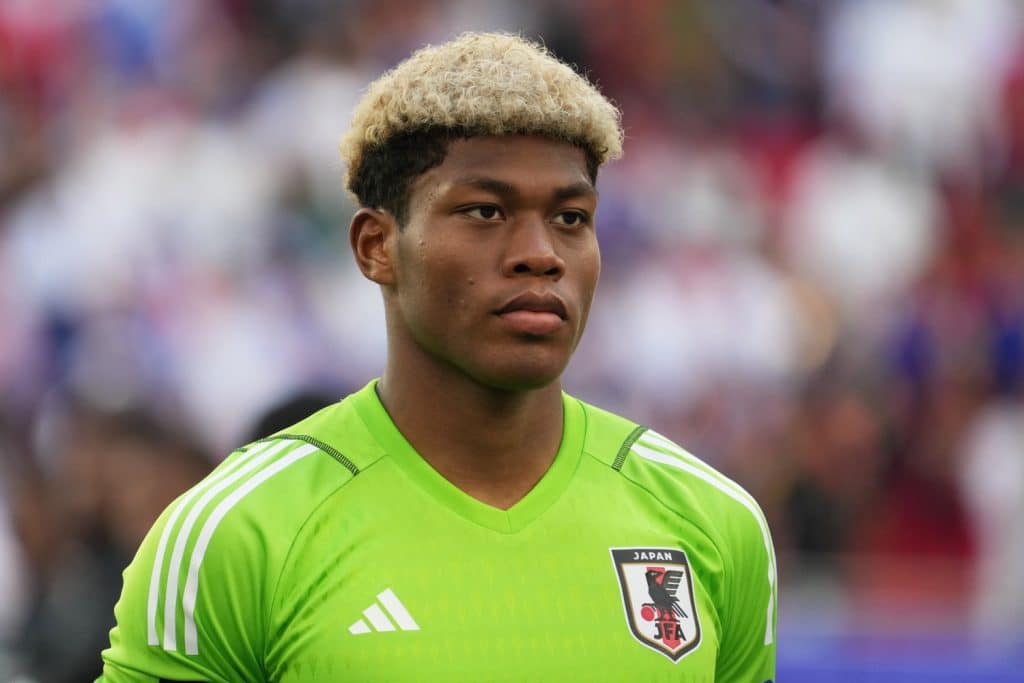
What made Japan so difficult to break down wasn’t just organization — it was discipline sustained over 90-plus minutes against relentless pressure. Goalkeeper Zion Suzuki produced a string of outstanding saves to keep his side ahead, including a moment of pure theater when he somehow flicked a curling Vinícius Júnior strike onto the post with his thumb after the Brazilian winger had nutmegged Takehiro Tomiyasu and unleashed what looked like a goal-of-the-tournament contender. Japan also cleared a Casemiro header off the goal line earlier in the match — the kind of last-ditch defending that had Houston Stadium’s overwhelmingly yellow-clad crowd growing more anxious by the minute.
It’s worth remembering, too, that this wasn’t some fluke underdog run. Japan arrived in Houston off a 10-game unbeaten streak and had already drawn with the Netherlands and beaten Tunisia in the group stage — this is, by most measures, the strongest Japanese national team in the country’s history, with the vast majority of the squad playing at the top level in Europe. They had every right to believe they could become the first Japanese side ever to win a World Cup knockout match.
Brazil’s Best: Casemiro’s Redemption and the Bench That Changed Everything
If Japan’s first half was a defensive masterclass, Brazil’s second-half transformation was built on substitutions and sheer attacking weight finally breaking through.
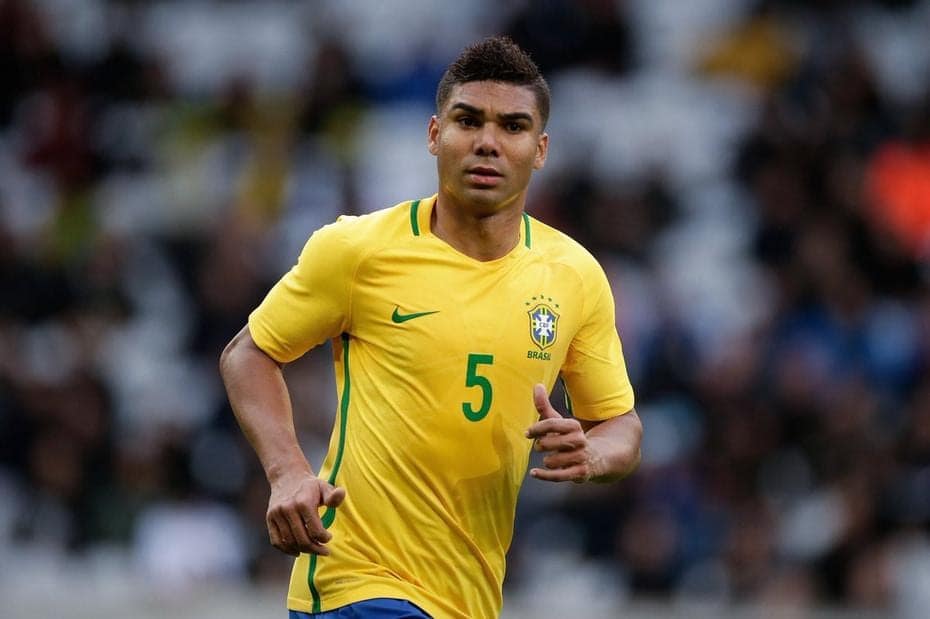
Casemiro was the central figure of Brazil’s turnaround, in both the worst and best possible ways. He was arguably culpable for some of the pressure that led to Japan’s opener, and saw an earlier header cleared off the line in agonizing fashion. But the veteran midfielder refused to let the moment define him: in the 56th minute, off a pinpoint assist from Gabriel Magalhães, Casemiro powered a thunderous header back-post past Suzuki to level the score — a goal as much about character as technique, redemption delivered in real time in front of the entire football world.
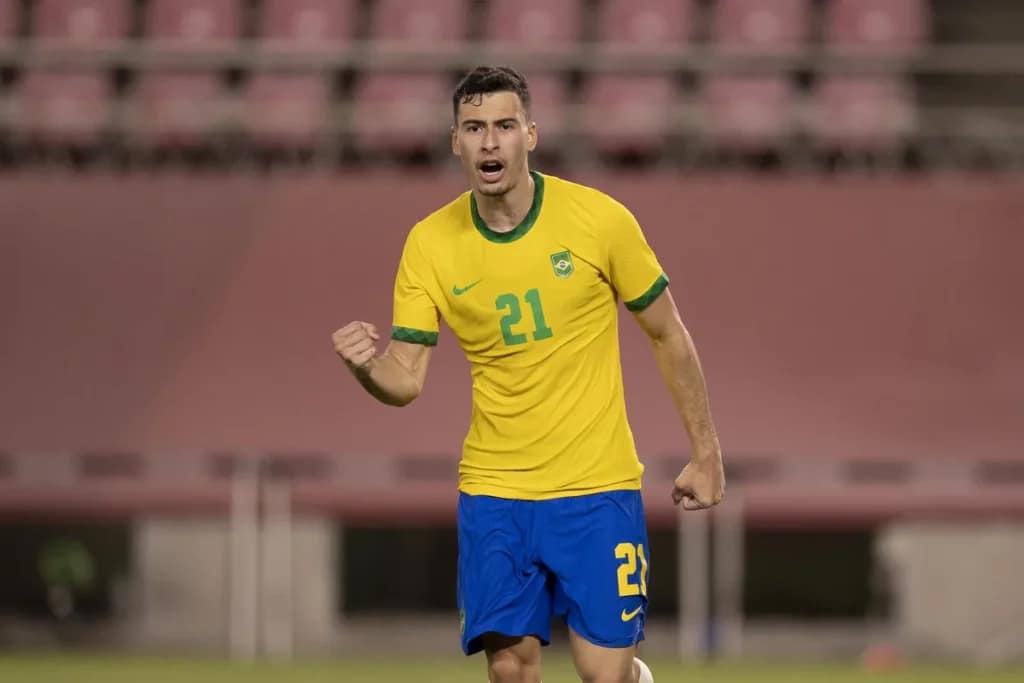
Gabriel Martinelli, introduced as a substitute, became the match’s ultimate hero. With the clock ticking deep into stoppage time and Brazil staring down extra time against an exhausted but still organized Japanese defense, Bruno Guimarães slipped a clever ball into the box, and Martinelli steadied himself before drilling a low finish beyond Suzuki into the bottom corner. It was his fifth international goal — and the third he’s scored on American soil. Visibly overcome afterward, Martinelli said he couldn’t find the words to describe the joy in his heart, recalling the fans on their feet and thinking of his parents and friends watching, and added that after hitting the woodwork earlier in the tournament, he had a feeling another chance would come.
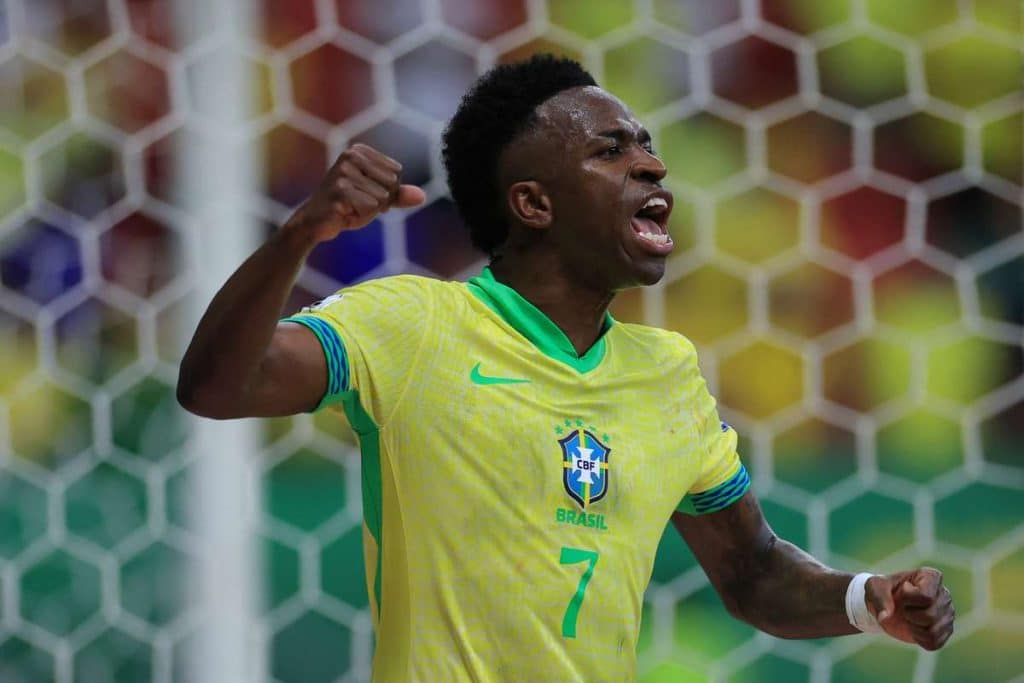
Vinícius Júnior, while he didn’t add to his tournament-leading four goals, was arguably Brazil’s most dangerous individual threat all match. His first-half nutmeg-and-curl effort that crashed off the post was the kind of moment that nearly decided the game on its own, and his constant movement and direct running kept Japan’s back line under sustained pressure even when Brazil couldn’t find the breakthrough. It’s exactly the kind of performance that explains why he’s been the most-discussed Brazilian player of this entire tournament.
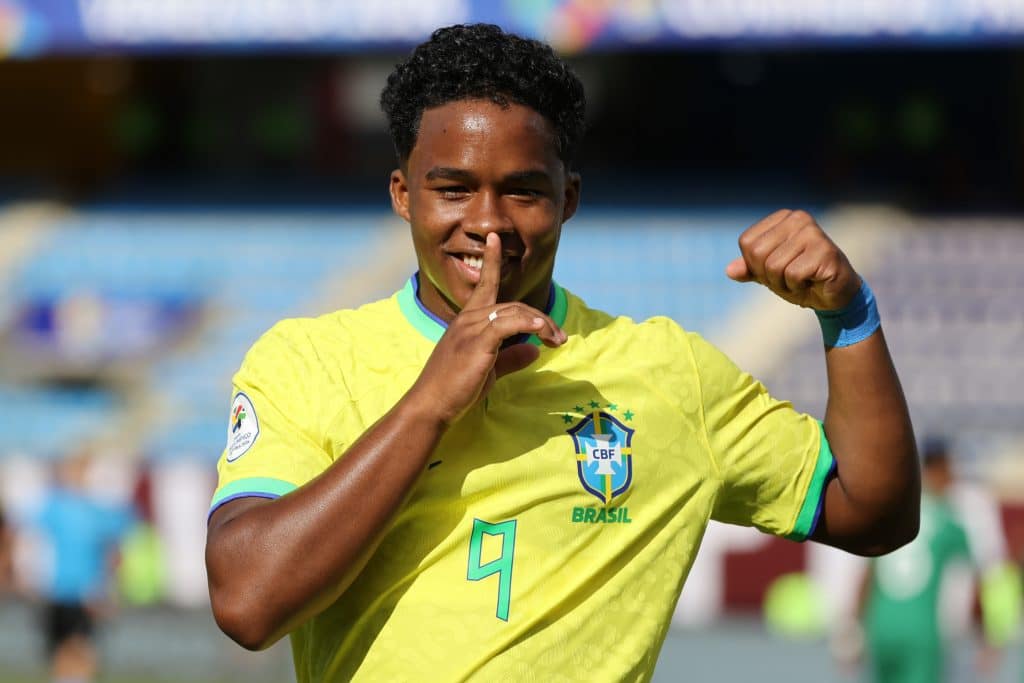
Endrick, brought on at halftime in place of Lucas Paquetá, injected fresh urgency into Brazil’s attack precisely when it was needed, helping tilt the balance of the match firmly in Brazil’s favor after a flat first 45 minutes. Casemiro himself singled out the bench afterward as the difference-maker, saying the team’s greatest strength was its mindset, that it kept up the pressure in the attacking third, and crediting Endrick’s introduction along with Martinelli and Rayan — who has been deputizing well for the injured Raphinha — as proof that “this is the squad to win the World Cup.”
Ancelotti’s Calculated Patience
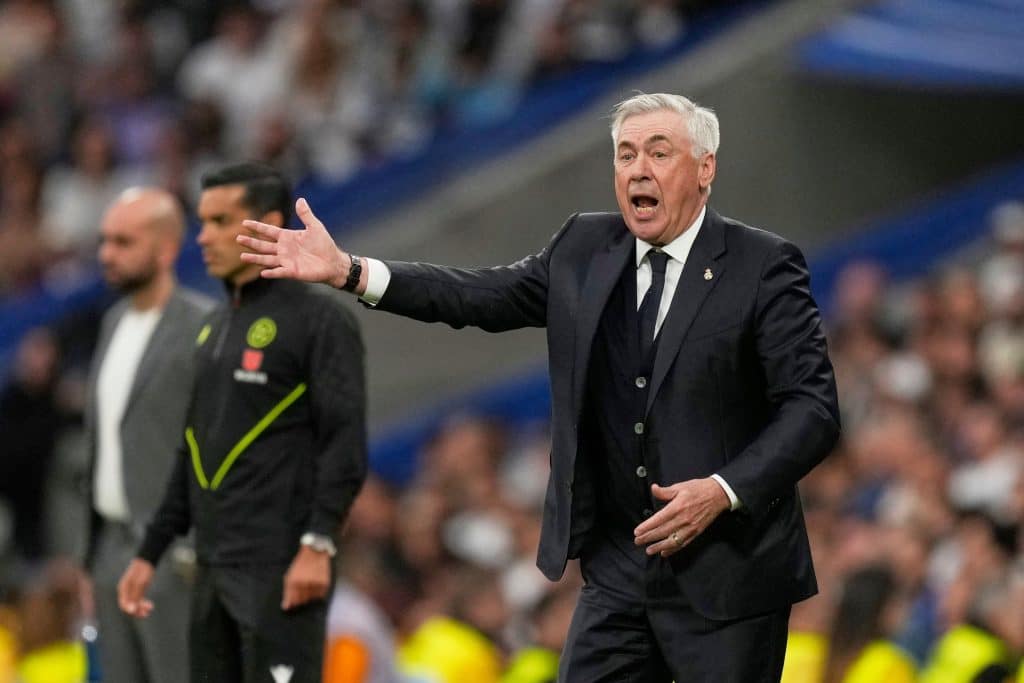
Brazil coach Carlo Ancelotti deserves real credit for a piece of in-game management that, in hindsight, looks shrewd rather than cautious. He resisted the temptation to throw everything at Japan immediately, instead managing his substitutions with one eye on extra time. Asked about his thinking afterward, Ancelotti explained that the team didn’t lose patience, that there were plenty of resources on the pitch and on the bench, and that Japan is not an easy opponent — very organized and intense. He revealed he had been holding Neymar in reserve specifically for extra time, planning to bring him on around the 105th minute had Brazil not found a second goal, and that he chose not to disrupt the team’s structure because it was playing well even while behind.
That composure under pressure — trusting the process rather than panicking at 1-0 down against a side parking the bus — is precisely the kind of tournament-tested decision-making that separates teams capable of going all the way from teams that crash out in the round of 32.
A Symbolic Date, A Significant Win
There was a poetic footnote to the victory: it came on the very anniversary of Brazil’s first World Cup title back in 1958 in Sweden, when a 17-year-old Pelé scored twice in the final against the host nation. For a team chasing a sixth star and trying to end a 24-year wait since 2002, beating back a stubborn Japanese side on that particular date felt, to many in the Brazilian camp, like more than coincidence.
Japan, for their part, leave Houston with heads held high despite the heartbreak. Their disciplined, near-perfect defensive performance pushed the eventual champions of 2022 to the absolute brink, and snapped only by the cruelest possible margin — a goal in the sixth minute of stoppage time. It’s a result that will sting for a long time, but one that should also reinforce just how far Japanese football has come.
For Brazil, the lesson is more urgent than celebratory. They were dominant in possession but toothless for long stretches, vulnerable to the counter-attack, and ultimately needed a moment of late-game magic from the bench to avoid a result that would have ended the Hexa dream before it truly began. Next up: the Round of 16 against the winner of Ivory Coast-Norway, on July 5 in East Rutherford, New Jersey. If Monday’s match proved anything, it’s that this Brazilian side has both the individual brilliance and the squad depth to survive a bad night — but they’ll need a cleaner performance soon, because not every opponent will allow them six minutes of stoppage time to find their answer.
Match details, quotes, and statistics above are drawn from ESPN, FIFA.com, Al Jazeera, and Business Standard coverage of the June 29, 2026 Round of 32 fixture in Houston.