


The Holdout

Why Lula Won’t Sign On to Latin America’s New War on Cartels
eyesonbrasil
When the leaders of Mercosur gathered in the Paraguayan city of Luque at the end of June 2026, organized crime dominated the agenda almost as much as trade. Bolivia’s president called for a new South American security architecture. Brazil’s own president, Luiz Inácio Lula da Silva, arrived with a proposal of his own — a regional pact against femicide, funding for an Interpol office in Buenos Aires, and warm words about coordinated intelligence-sharing. On paper, it looked like consensus. Look closer, though, and Lula is running a very different playbook than most of his neighbors — one built on sovereignty, skepticism of Washington, and a stubborn insistence that Brazil fight its own criminal factions on its own terms.
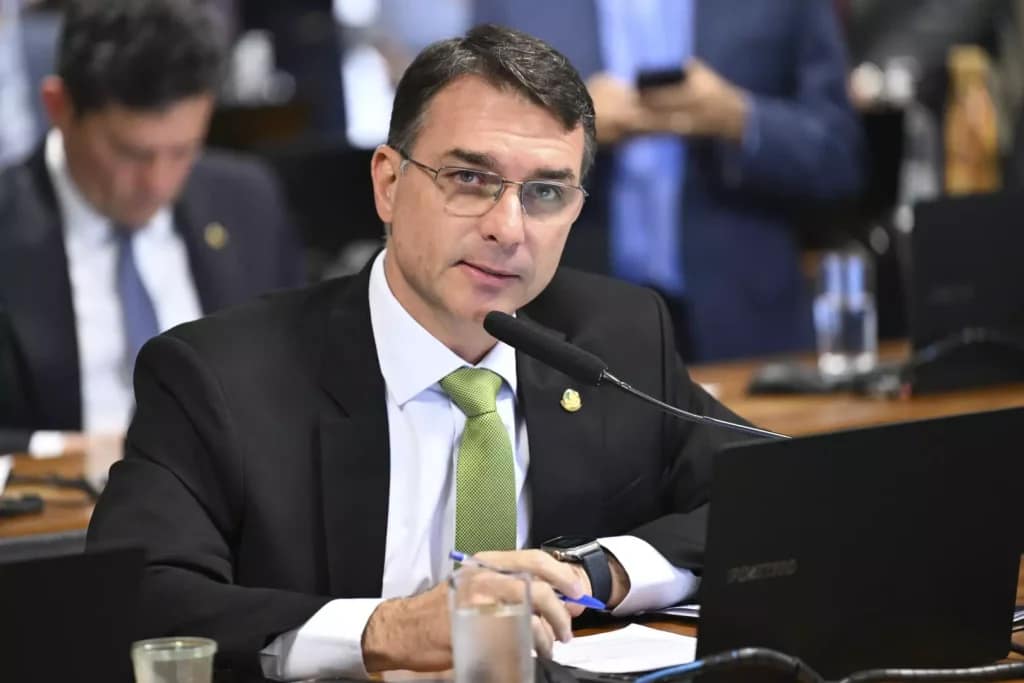
That divergence has become one of the most consequential fault lines in South American politics. And it comes at an unusually charged moment: Brazil heads into a presidential election in October 2026, with Lula’s most prominent domestic critics — including Senator Flávio Bolsonaro — actively lobbying Washington for exactly the kind of hardline measures Lula has been resisting.
The Pressure Campaign
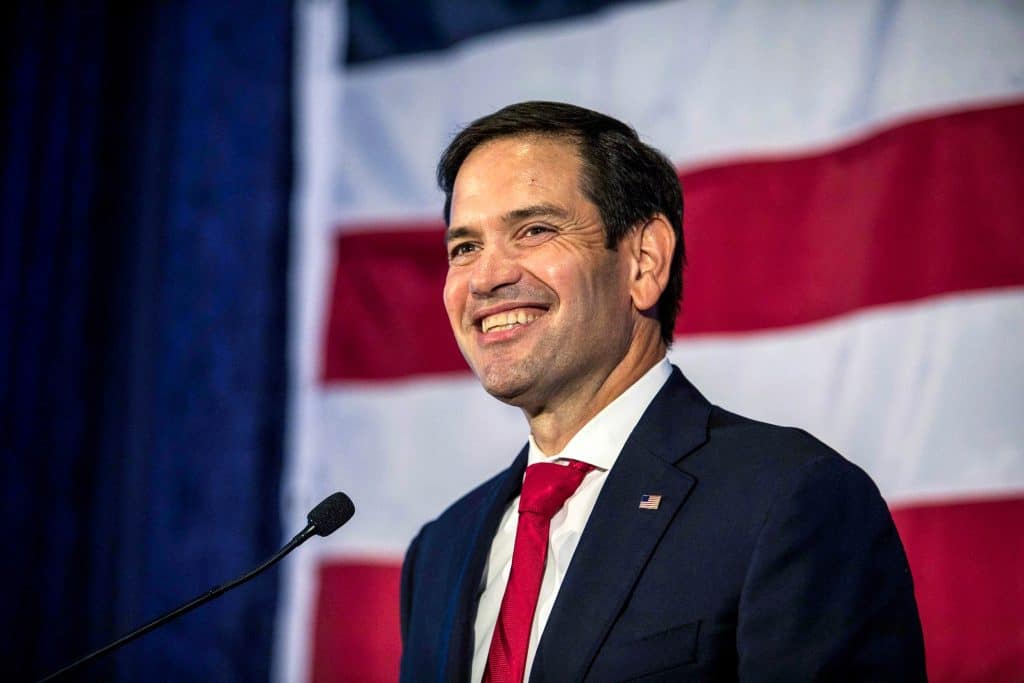
The immediate trigger was a decision made in Washington, not Brasília. On May 28, 2026, US Secretary of State Marco Rubio designated Brazil’s two largest criminal factions — Comando Vermelho (CV) and Primeiro Comando da Capital (PCC) — as Specially Designated Global Terrorists, with plans to formally list them as Foreign Terrorist Organizations (FTOs) effective June 5. The groups, which together command tens of thousands of members and have expanded their reach into Paraguay, Bolivia, and Peru, joined a US list that also includes Al-Qaeda, ISIS, and Hamas.
Lula’s government pushed back immediately and unambiguously. Brazilian officials had spent months quietly lobbying Washington to hold off, arguing that CV and PCC are criminal enterprises rather than ideologically driven terrorist movements, and that Brazil’s own legal framework already has tools to prosecute them. When the designation came anyway, Lula didn’t mince words, declaring that Brazil would fight organized crime on its own terms and would not tolerate foreign powers using the label as a pretext to override the country’s sovereignty or economy. He also took a swipe at the Bolsonaro family, accusing them of again traveling to the US to court foreign intervention in Brazilian affairs — a pointed reference to Senator Flávio Bolsonaro’s Washington meetings, where he had personally urged the designation.
The stakes go beyond diplomatic pride. Brazilian officials worry the FTO label could open a legal pathway for the kind of US military action that has already reshaped the region: an “Operation Absolute Resolve”-style raid, expanded sanctions reach into Brazilian banks and businesses, or the sort of financial de-risking that forces global institutions to sever ties with anything CV- or PCC-adjacent, however tenuous the connection. It also risks fueling the very militarization of domestic policing that the Lula government has resisted, preferring investment in police intelligence and asset-recovery mechanisms over a war-footing approach.
Brazil’s Absence From the Shield
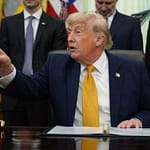
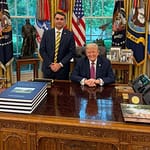
The FTO fight is really a symptom of a bigger divide: the Shield of the Americas. Launched by President Trump at a summit in Doral, Florida on March 7, 2026, the initiative — officially the Americas Counter Cartel Coalition — brought together roughly a dozen regional governments who pledged to share intelligence, coordinate military operations, and in some cases accept direct US support to target cartel networks. Trump was blunt about what he expected of the leaders in the room: “the only way to defeat these enemies,” he told them, “is by unleashing the power of our militaries.”
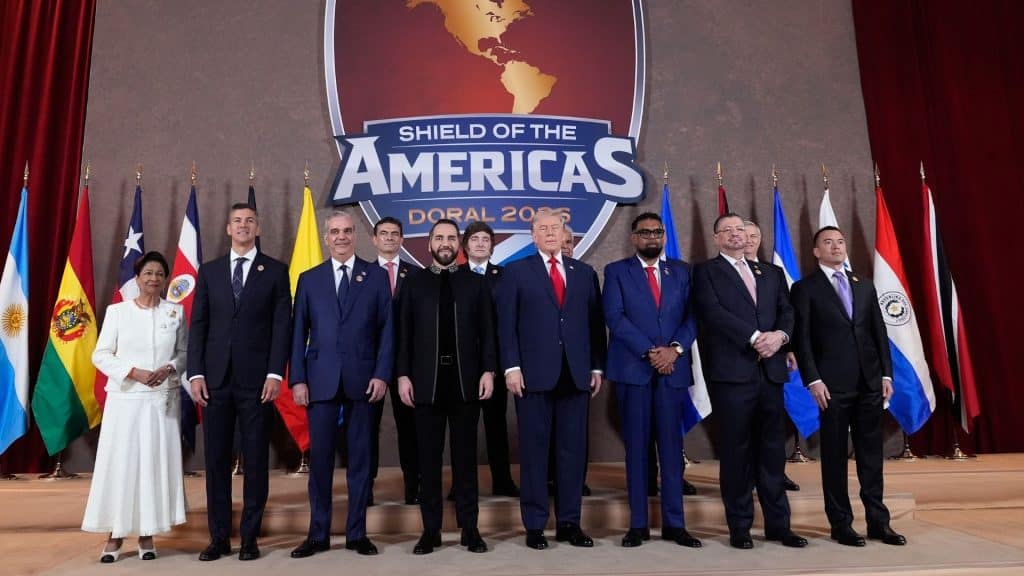
Brazil wasn’t there. Neither was Mexico. Neither was Colombia — despite being, by most measures, the country most central to the hemisphere’s cocaine trade. Critics, including analysts at the Atlantic Council and Chatham House, have pointed out that a “counter-cartel coalition” missing the three countries that represent most of the region’s population, GDP, and narco-trafficking volume is, at minimum, incomplete — and at worst, a partisan alignment exercise dressed up as a security pact. The Shield’s guest list skewed heavily toward right-leaning, US-aligned governments, and it emerged in large part from years of political lobbying by a small network of leaders — Argentina’s Javier Milei, El Salvador’s Nayib Bukele, and Ecuador’s Daniel Noboa chief among them — who had cultivated ties with the incoming Trump administration well before Doral.
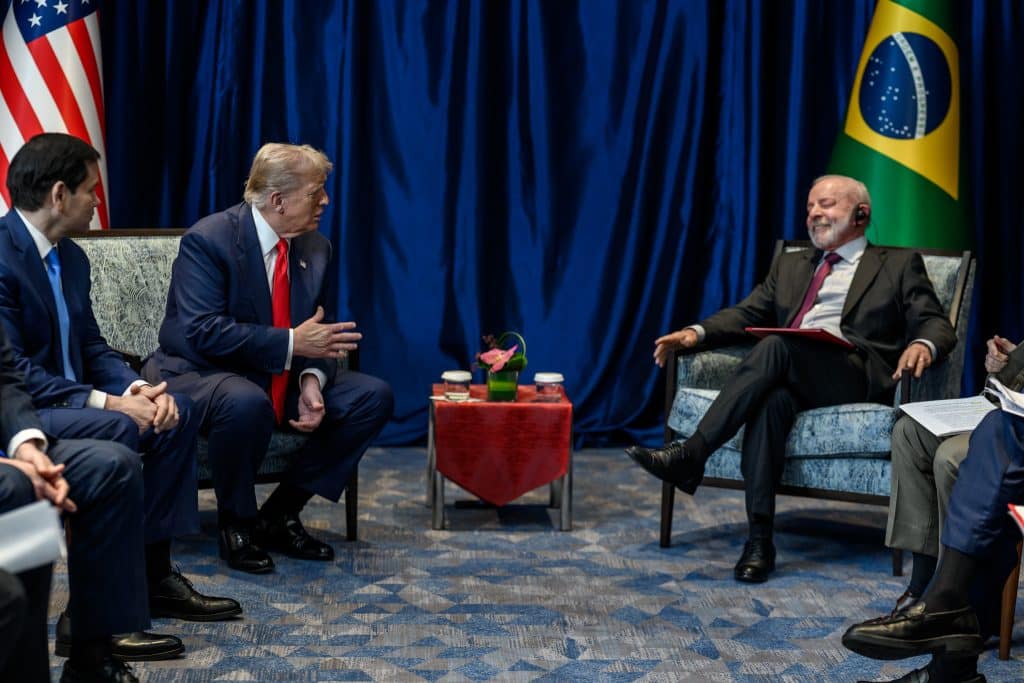
For Lula, staying out was consistent with everything else his government has said publicly: Brazil wants coordination on its own terms, through its own institutions — Mercosur’s new Strategy to Combat Transnational Organized Crime, its accompanying Commission (CMCOT), or the International Police Cooperation Center inaugurated in Manaus for the nine Amazon countries — not through a coalition organized around military “hard power” and loyalty to Washington’s foreign policy.
Four Neighbors, Four Different Bets
The most striking way to understand Brazil’s position is to look at what everyone else in the neighborhood is doing.
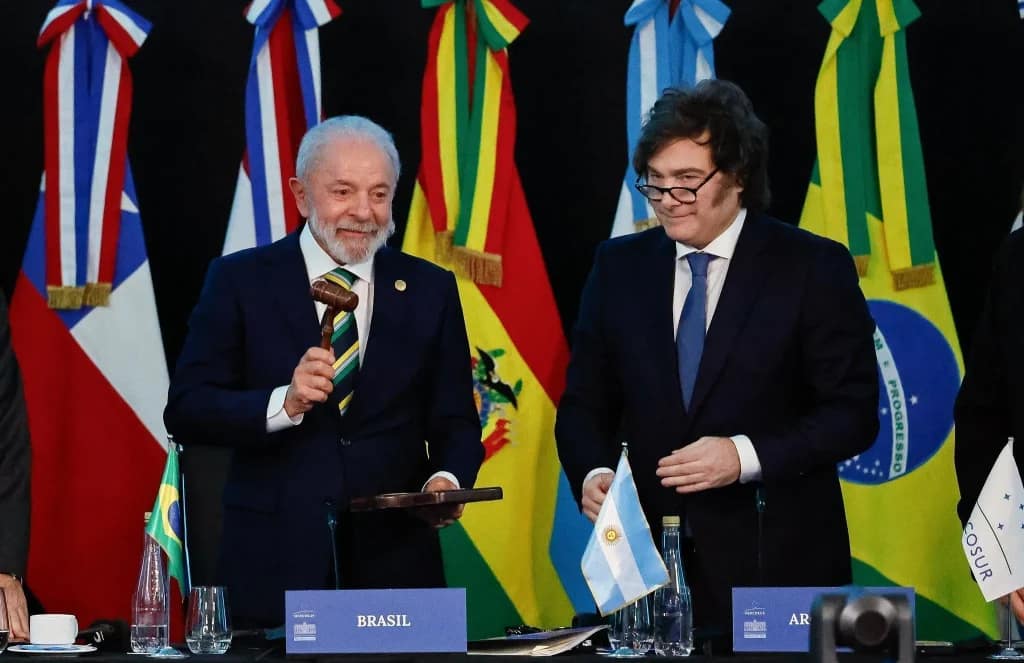
Javier Milei (Argentina) has made alignment with Trump’s approach to organized crime a centerpiece of his foreign policy. He attended the Doral summit in person, and his government has openly framed the Shield as a vehicle to “promote strategies to curb foreign interference… combat organised crime and drug-trafficking, and respond to the problem of illegal immigration.” Milei has also built out a bilateral security partnership with Chile — sharing intelligence, cooperating on manhunts for fugitives, and calling for the alliance to eventually extend into Bolivia. For Milei, the relationship with Washington on crime and security is inseparable from his broader ideological project, and he has been openly dismissive of Lula’s government, at various points calling him a communist.
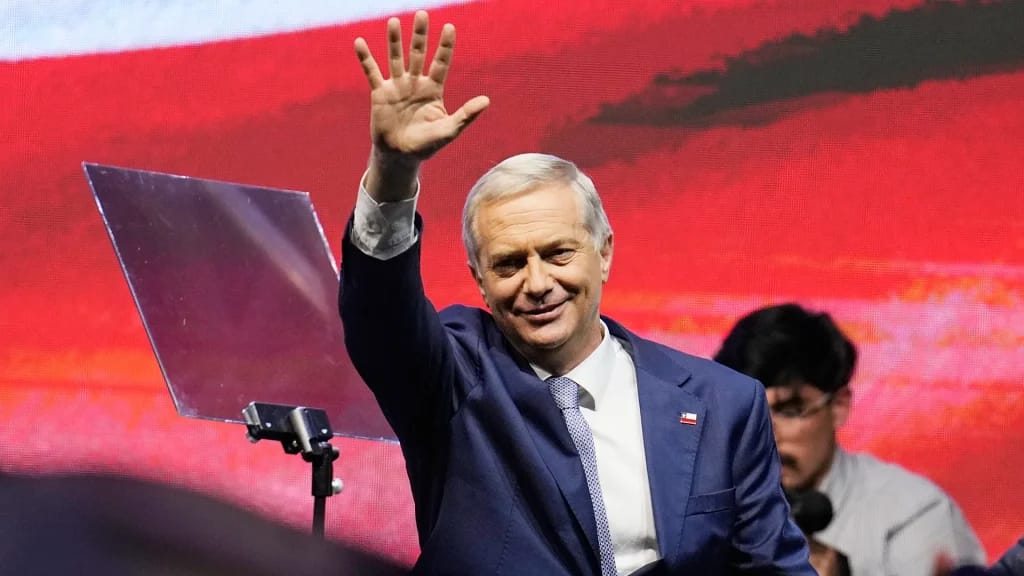
José Antonio Kast (Chile) took office in March 2026 on a tough-on-crime platform and moved immediately to align Chile with the same bloc. He attended the Shield of the Americas summit even before his inauguration — as president-elect, unable to formally sign anything, but present all the same — and made Buenos Aires his first foreign visit as president specifically to expand cooperation with Milei on organized crime and border security. Kast has also toured El Salvador’s mega-prison system under Nayib Bukele, a facility that has become something of a pilgrimage site for the region’s hardline right, despite the human-rights criticism it continues to draw internationally.
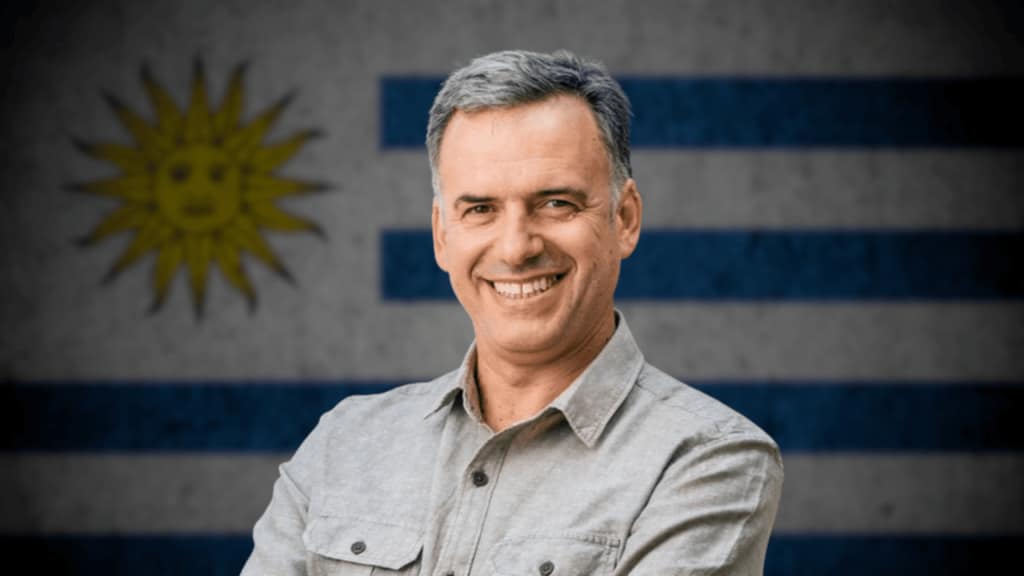
Yamandú Orsi (Uruguay), by contrast, occupies a middle ground that complicates any simple left-right narrative. A leftist elected in 2024, Orsi has stayed outside the Shield of the Americas and generally kept some ideological distance from Milei. But domestically, his government has taken a notably muscular turn: deploying armored military vehicles to patrol the highest-crime neighborhoods of Montevideo under police command — a step significant enough to open real debate within Uruguay’s own political system about the line between policing and militarization. Orsi’s approach suggests that “tough on crime” and “aligned with Washington” aren’t the same choice, even if Trump-aligned leaders often present them as one package.
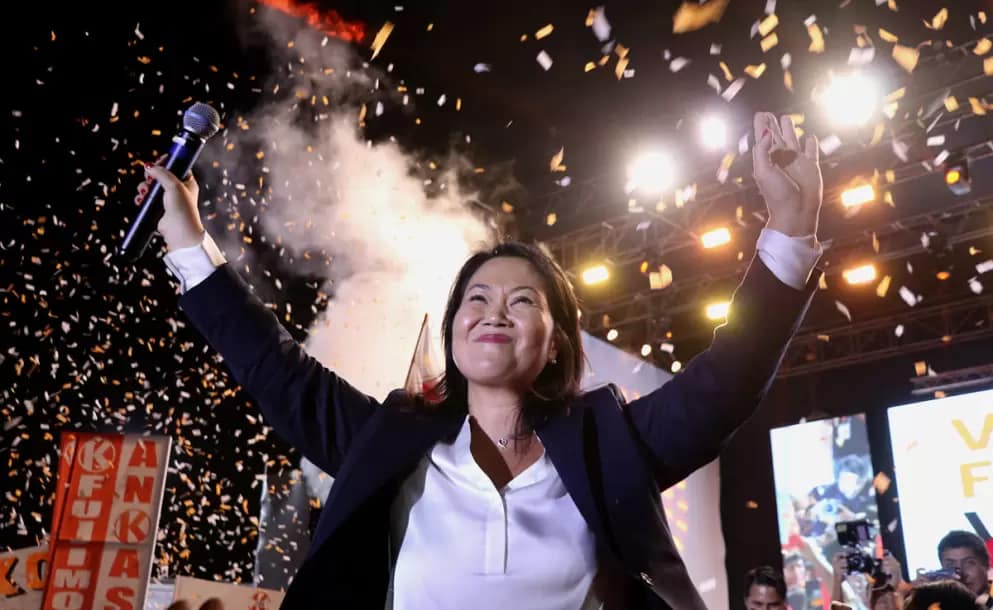
Keiko Fujimori (Peru), elected in a razor-thin runoff in June 2026, represents perhaps the most natural fit for the Shield’s members, though her presidency was too new to have joined by the time of the Doral summit. Her campaign leaned heavily on the tough-on-crime legacy associated with her father’s presidency, at a moment when Peru has seen extortion rates climb by roughly 1,000% since 2023 and homicides become a defining electoral issue. Atlantic Council analysts have suggested she’s likely to be a willing partner for initiatives like the Shield going forward — but with a caveat: unlike some of her regional peers, Fujimori has been notably reluctant to publicly pick a side between Washington and Beijing, given how central Chinese investment and trade remain to Peru’s economy. Her alignment with the anti-cartel coalition, in other words, may end up more pragmatic than ideological.
The Case Brazil Is Making — and the Case Against It
Lula’s argument has some real substance behind it. Brazil is not a weak state overwhelmed by cartels the way parts of Central America or Ecuador have been; it has its own federal police apparatus, its own legislation for classifying criminal organizations, and — under Lula’s own Mercosur presidency in late 2025 — it pushed through a regional strategy and standing commission specifically targeting transnational crime, alongside a Manaus-based cooperation center for policing the Amazon. The fear that FTO status could become a legal pretext for foreign military action isn’t hypothetical either: the region watched the US capture Venezuela’s Nicolás Maduro in January 2026 under similar “narco-terrorism” framing, and analysts across the ideological spectrum, including some sympathetic to Washington’s broader aims, have warned that a coalition built purely on ideological alignment — excluding the hemisphere’s largest and most crime-affected states — risks fading as quickly as the political moment that produced it.
The case against Lula’s position is just as pointed: Brazil’s own crime numbers are severe, CV and PCC have expanded well beyond Brazil’s borders into neighboring countries, and critics argue that resisting international designation and coordination — whatever the sovereignty argument — leaves Brazil relatively isolated at the exact moment most of the region is moving toward tighter security cooperation, for better or worse. Domestic political opponents have been quick to frame Lula’s resistance as softness rather than principle, a framing that will likely intensify as October’s election approaches.
What’s really being contested here isn’t just how to fight cartels — it’s who gets to define what “cooperation” against organized crime even means: a coalition organized around US military primacy and ideological alignment, or a slower, more institutional model built through Mercosur, Interpol, and existing state police forces. Brazil, for now, is betting on the second path. Whether that bet holds will depend as much on what happens in Brazil’s own ballot box in October as on anything decided at a summit table in Miami or Luque.
This article reflects publicly reported statements and events as of early July 2026. Positions described for sitting and incoming heads of state are drawn from public remarks, official statements, and reporting, and may evolve as circumstances change.