


Twenty-Four Years and Counting

Brazil’s Hunt for a Sixth Star
eyesonbrasil
There’s a particular kind of pressure that only Brazil carries into a World Cup. Other nations dream of a first title, or a return to relevance. Brazil carries five stars on its shirt and a question that’s grown heavier with every tournament since 2002: when does the wait actually end?
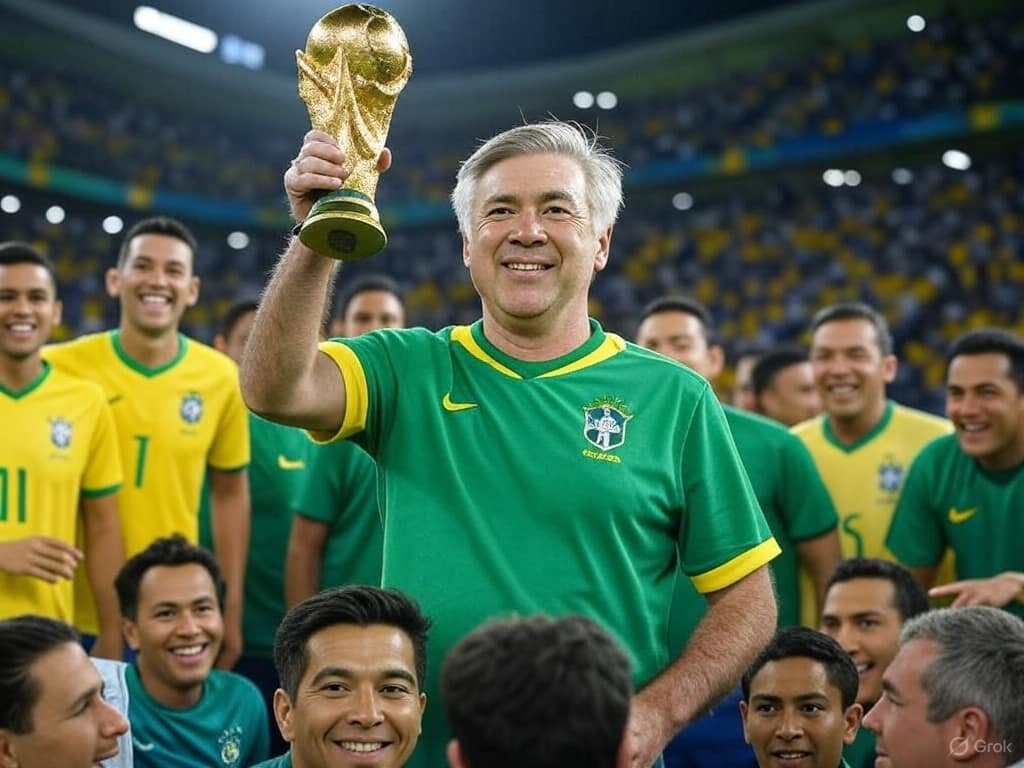
That wait is now in its 24th year — the longest Brazil has ever gone without lifting the trophy. Quarterfinal exits in 2018 and 2022. The trauma of 2014’s 7-1 collapse against Germany, on home soil, still invoked any time the national team stumbles. A chaotic coaching search after Qatar that became, by Brazilian football’s own admission, one of the most embarrassing episodes in the federation’s history — interim coaches, a federation president removed from office by court order, even threats of FIFA suspension over governmental interference. It was the kind of mess that made the five stars feel less like a legacy and more like a burden.
And then Carlo Ancelotti said yes.
The Italian in Charge of Brazilian Identity
Hiring a foreign coach to lead the Seleção was once unthinkable — Brazilian football considered itself the keeper of its own footballing soul. But after two straight quarterfinal exits, the federation went after the most decorated club manager alive: a five-time Champions League winner with title-winning stints at Real Madrid, AC Milan, PSG, Bayern Munich, and Chelsea. Brazil is the first national team Ancelotti has ever managed.
His message from day one was less about flair and more about a word Brazilian football doesn’t always associate with itself: resilience. “I think a more resilient team can win,” he told the country at the squad announcement, held fittingly at Rio’s Museum of Tomorrow. “We want to be the most resilient team in the world.” It’s a notably un-romantic mission statement for a country whose footballing identity has always leaned on jogo bonito — but it may be exactly the discipline this generation needs.
A Group Stage Built on Vinicius Jr.’s Shoulders
If there’s been one defining storyline of Brazil’s 2026 campaign so far, it’s Vinicius Júnior stepping fully into the role Neymar once owned. A draw against Morocco opened the tournament before Brazil found its rhythm: a 3-0 win over Haiti, then a statement 3-0 victory over Scotland to seal first place in Group C.
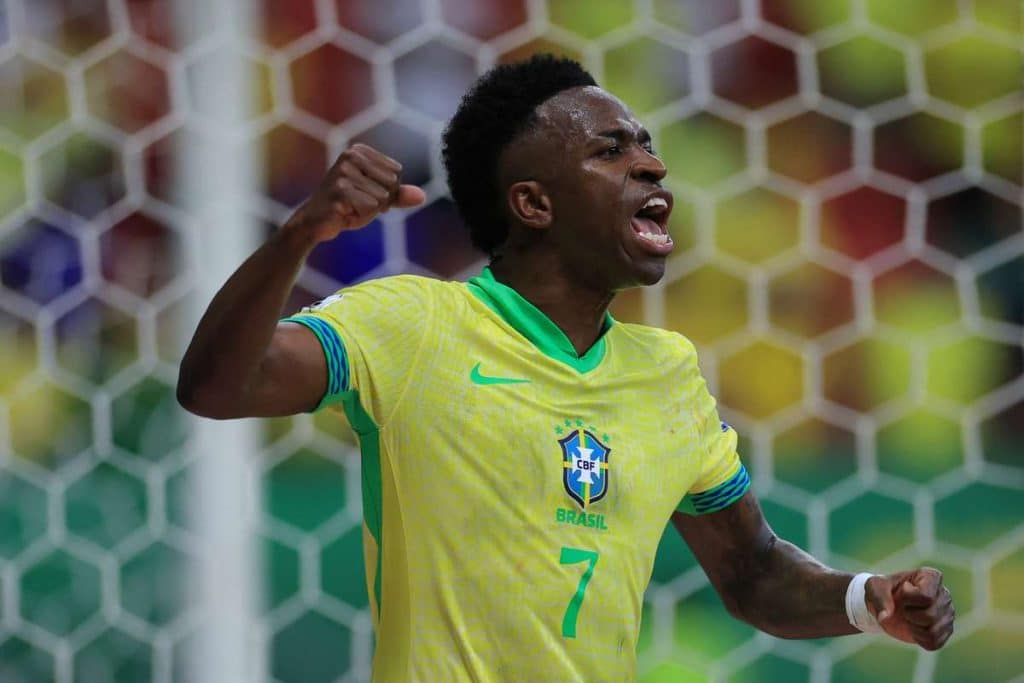
Against Scotland, Vinicius scored twice — rounding the goalkeeper for one and rising unmarked to head home another — before Matheus Cunha added a third. In doing so, Vinicius became the first Brazilian player in 24 years to score in each of his nation’s first three FIFA World Cup matches, joining an exclusive list that includes Jairzinho, Romário, Ronaldo, and Rivaldo — the last two having done it in 2002, the year Brazil last won it all. Brazil went on to win the tournament on each of the three previous occasions a player achieved that feat. Make of that omen what you will; Brazilian fans certainly have.
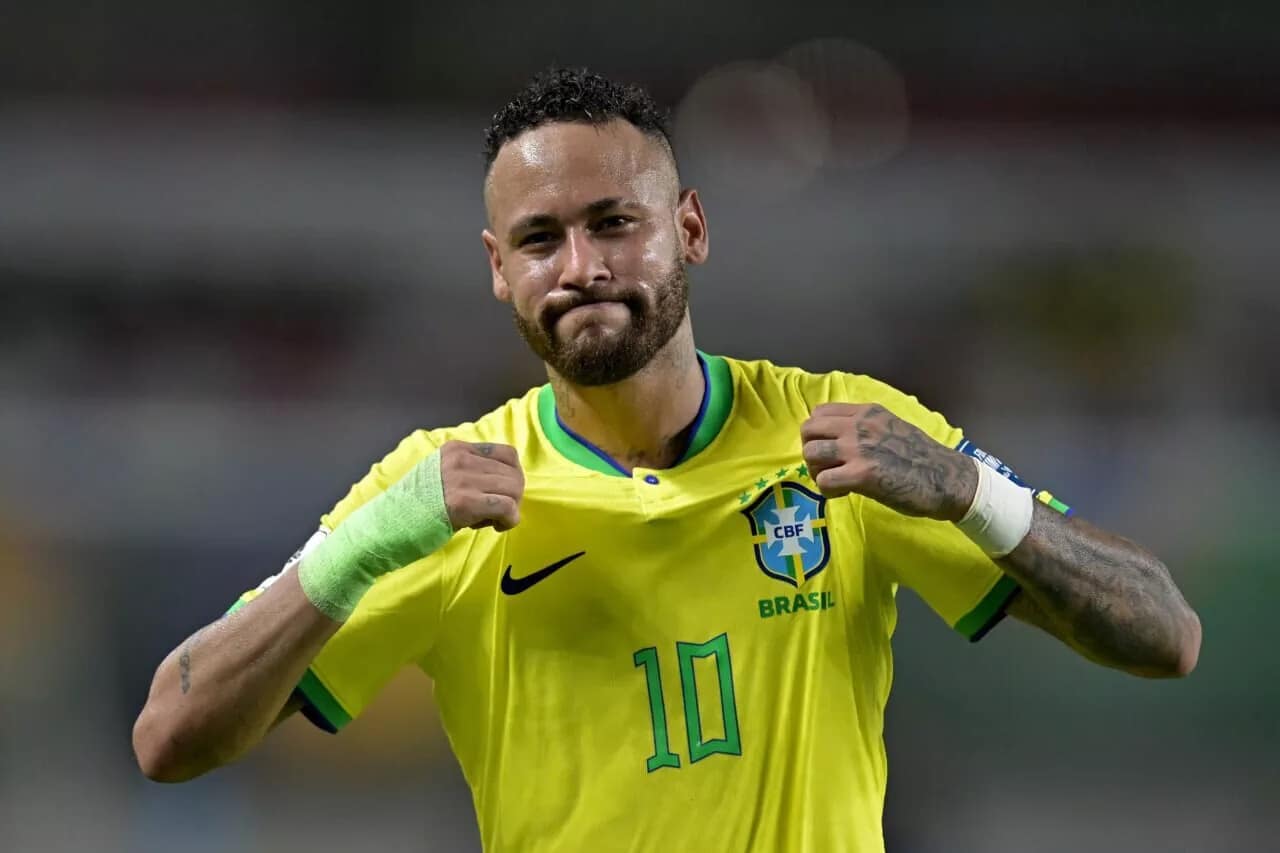
There was an emotional subplot too. Neymar — Brazil’s all-time top scorer, fighting back from a brutal run of injuries that limited him to just a handful of appearances over two years at Al-Hilal — finally made his tournament debut as a second-half substitute against Scotland, his first action of the 2026 World Cup and the start of what he has said is likely his final shot at the trophy that has eluded him through three previous campaigns.
Ancelotti’s response after the win summed up the mood inside the camp: proud of the qualification and the team’s evolution, but already turning the page toward harder tests ahead.
What Comes Next
Topping Group C sets up a Round of 32 clash with Japan in Houston, the first knockout step on a path that — should results break Brazil’s way — runs through the tournament’s biggest stages in the United States. It’s a deceptively dangerous opponent: Japan finished second in their own group and plays with the kind of organized, high-pressing discipline that has troubled bigger teams before.
The squad Ancelotti has assembled blends continuity and youth in a way Brazil hasn’t always managed well. Real Madrid’s Vinicius Jr. is the attacking centerpiece. Manchester United’s Casemiro and Matheus Cunha bring Premier League steel. Bruno Guimarães has quietly become the engine of the midfield, setting up two of the three goals against Scotland alone. PSG captain Marquinhos anchors a defense in front of Liverpool’s Alisson. And alongside the established core, Ancelotti has trusted teenage talent — 19-year-old Bournemouth winger Rayan got his first World Cup start in place of an injured Raphinha and immediately set up a goal, while Lyon striker Endrick offers another wildcard off the bench.
The Weight of the Sixth Star
No nation has ever gone six consecutive World Cups without winning one — and Brazil knows it would be the first to carry that unwanted record if this campaign ends short again. That’s the quiet psychological backdrop to everything happening on the pitch: not just the hope of winning, but the dread of a streak nobody in Brazilian football has ever had to live through.
What makes this campaign feel different isn’t just the talent — Brazil has rarely lacked that — but the sense of structure Ancelotti has imposed on it. A team that’s organized enough to shut out Scotland, patient enough to manage Neymar’s return without rushing him, and confident enough to let a 19-year-old start a knockout-stage tie. Brazilian football has always had the bonito. What it’s been missing since 2002 is the version of itself that doesn’t crack under its own weight in the quarterfinals.
Vinicius Jr. put it best in the buildup to the tournament, in spirit if not in exact words: this generation doesn’t want to be remembered for almost. As Brazil heads into the knockout rounds with the form, the depth, and — for once — a clear tactical identity behind them, the question hanging over Houston and beyond isn’t really whether Brazil can win a sixth World Cup. It’s whether this is finally the version of the Seleção built to actually do it.