Future Tech Ignite

Inside IBC’s New Engine for Europe’s Media Innovation Economy
eyesoneurope
Amsterdam, September 12, 2026 – For decades, IBC — the International Broadcasting Convention — has been where the media and entertainment industry comes to see its own future: new cameras, new codecs, new ways of getting a signal from a studio to a screen. This year, something different is happening inside the RAI Amsterdam. Alongside the broadcast trucks and camera rigs, a new initiative called Future Tech Ignite is making its debut, and it may end up mattering more to Europe’s creative economy than any single piece of hardware on the show floor.
Future Tech Ignite isn’t a company. It’s not even, strictly, a product. It’s a platform — a curated meeting point where more than 50 start-ups, investors, universities, entrepreneurs, and some of the world’s largest technology companies converge around one question: what does the next decade of media, entertainment, and creative technology actually look like, and who gets to build it?
From Broadcast Trade Show to Innovation Ecosystem
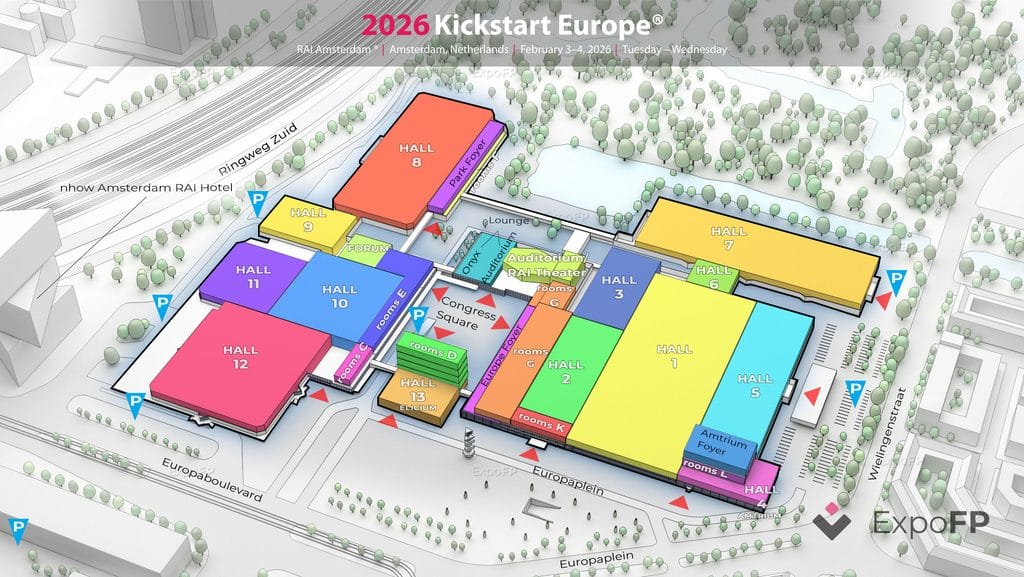
IBC has always been enormous. This year’s edition, running September 11–14 at the RAI Amsterdam, is expected to fill more than 45,000 square meters across 14 exhibition halls with over 1,200 exhibitors and industry professionals from more than 170 countries. But scale alone doesn’t create innovation — and IBC’s leadership seems to understand that the industry’s biggest challenges now are less about broadcast infrastructure and more about talent, skills, and the disruptive arrival of AI into creative work.
That’s the gap Future Tech Ignite is built to fill. Located within the broader Future Tech zone in Hall 14 — itself expanding after a successful first run in 2025 — Future Tech Ignite is designed specifically to give emerging companies a stage, quite literally. Its programme runs across all four days of the show on a dedicated Ignite Stage, mixing start-up pitches, panel discussions, and structured opportunities to meet investors and corporate partners, alongside talent-development and future-skills sessions and a new creative showcase.
The Themes That Define It
The subject matter Future Tech Ignite has chosen to organize itself around reads like a checklist of what’s actually keeping media executives up at night: artificial intelligence, cybersecurity, the creator economy, investment and entrepreneurship, education, and future skills. That combination is deliberate. It treats AI and cybersecurity not as isolated engineering problems, but as forces reshaping who creates content, who owns it, who protects it, and who gets trained to work with it — bringing together the technical and human sides of the same transformation under one roof.
Big Tech, Meet Small Tech
What makes Future Tech Ignite distinctive isn’t just the start-ups — it’s who’s standing next to them. AWS is the initiative’s Platinum Sponsor, with Microsoft, Google, HP, AMD, and Shure also participating as supporting partners. Google separately returns as headline sponsor of the related IBC Accelerator Media Innovation Programme. That’s not incidental sponsorship logo placement; it’s a direct line between the companies that control today’s cloud, AI, and hardware infrastructure and the smaller companies trying to build the next layer of tools on top of it.
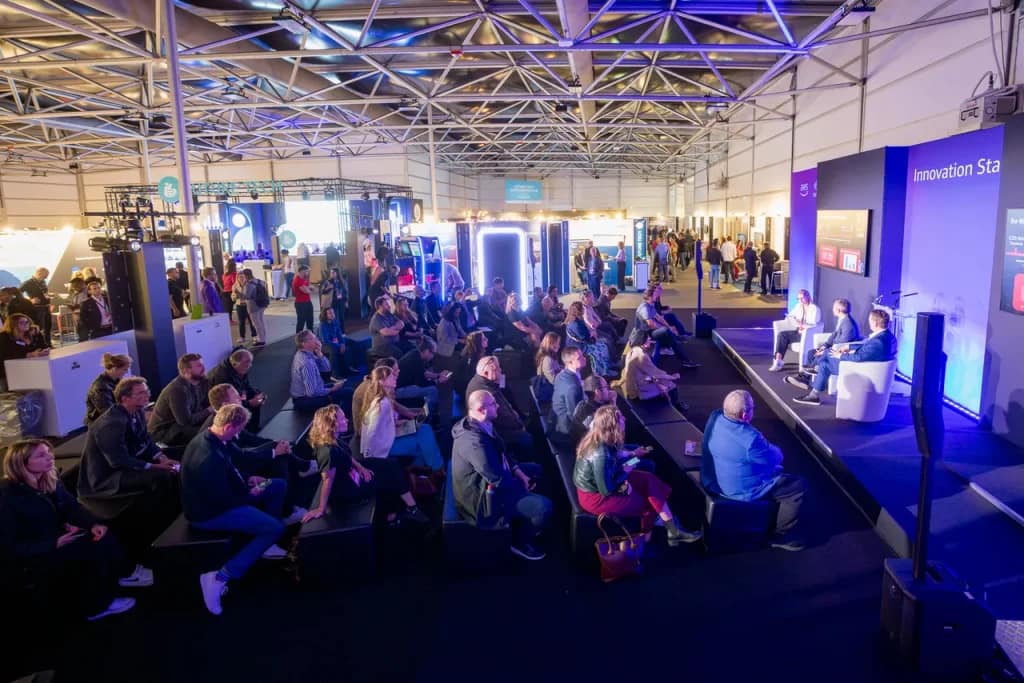
For a young start-up building, say, an AI-powered dubbing tool or a new cybersecurity layer for live streaming, that proximity is enormous. It means pitching not into a vacuum, but directly in front of the enterprise customers, cloud partners, and potential acquirers who can turn a good idea into a shipped product across European and global markets.
IBC has also deepened its partnership with EIT Culture & Creativity — part of the EU-backed European Institute of Innovation and Technology — naming it Innovation Partner for Future Tech Ignite. That EU backing matters: it signals that this isn’t purely a commercial trade-show gimmick, but is being woven, at least in part, into Europe’s broader public strategy for supporting its creative and cultural industries as they adapt to AI and digital disruption.
Why This Could Reshape European Media and Creativity
Europe’s creative technology sector has often struggled with a familiar problem: brilliant early-stage ideas that never quite find the investment, enterprise partnerships, or talent pipeline to scale past a promising demo. Silicon Valley has long had a dense, self-reinforcing ecosystem of accelerators, corporate venture arms, and universities feeding each other. Future Tech Ignite looks like an attempt to manufacture a European equivalent of that density — concentrated into four days, inside one of the industry’s most established gathering points.
If it works as intended, the effects could ripple outward in a few directions. Start-ups get a faster, more credible route to enterprise customers and investors than cold outreach ever provides. Universities and students get direct exposure to where the industry is actually headed, rather than a lagging curriculum. Established companies like AWS, Microsoft, and Google get an early look at — and potential stake in — the tools that might power tomorrow’s media pipelines. And the broader European creative economy gets a clearer answer to a question that’s been looming over it since generative AI upended content creation: whether Europe will primarily consume the next wave of creative technology, or help build it.
A Test Case for the Industry’s Next Chapter
Future Tech Ignite’s real significance may lie less in any single start-up that emerges from it and more in what it represents structurally: a major, historically hardware-and-infrastructure-focused industry event explicitly restructuring itself around AI, skills, and entrepreneurship as first-class concerns, not side attractions. That’s a meaningful shift for an industry built for a century around cameras, transmitters, and screens.
Whether Future Tech Ignite becomes a genuine engine of European innovation or simply a well-sponsored showcase will likely depend on what happens after the RAI’s halls empty out in September — how many of the start-ups on that stage actually land the partnerships, funding, or enterprise deals the platform promises. But the ambition itself is notable: an attempt to put Europe’s next generation of media and creative technology builders in the same room, at the same time, as the companies and capital that could actually help them scale.